
Transform Your Space: Popular Interior Painting Styles for Today’s Homes
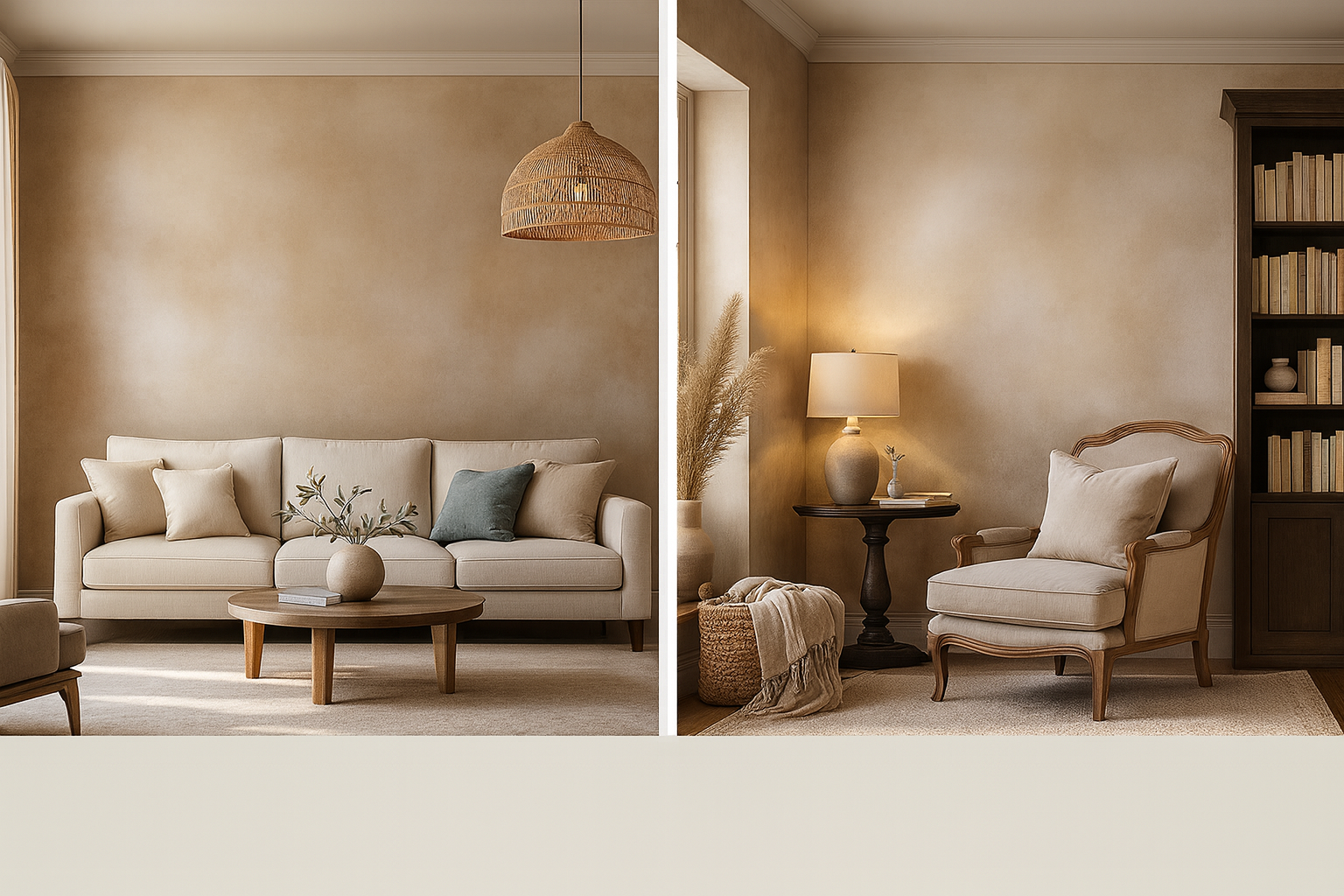
When it comes to updating your home, few projects make as big of an impact as a fresh coat of paint. But painting isn’t just about color—it’s also about style, technique, and the atmosphere you want to create. From subtle texture to dramatic color choices, different painting styles can completely reshape how a room feels.
Here are some of the most popular and effective interior painting styles homeowners are using to elevate their spaces.
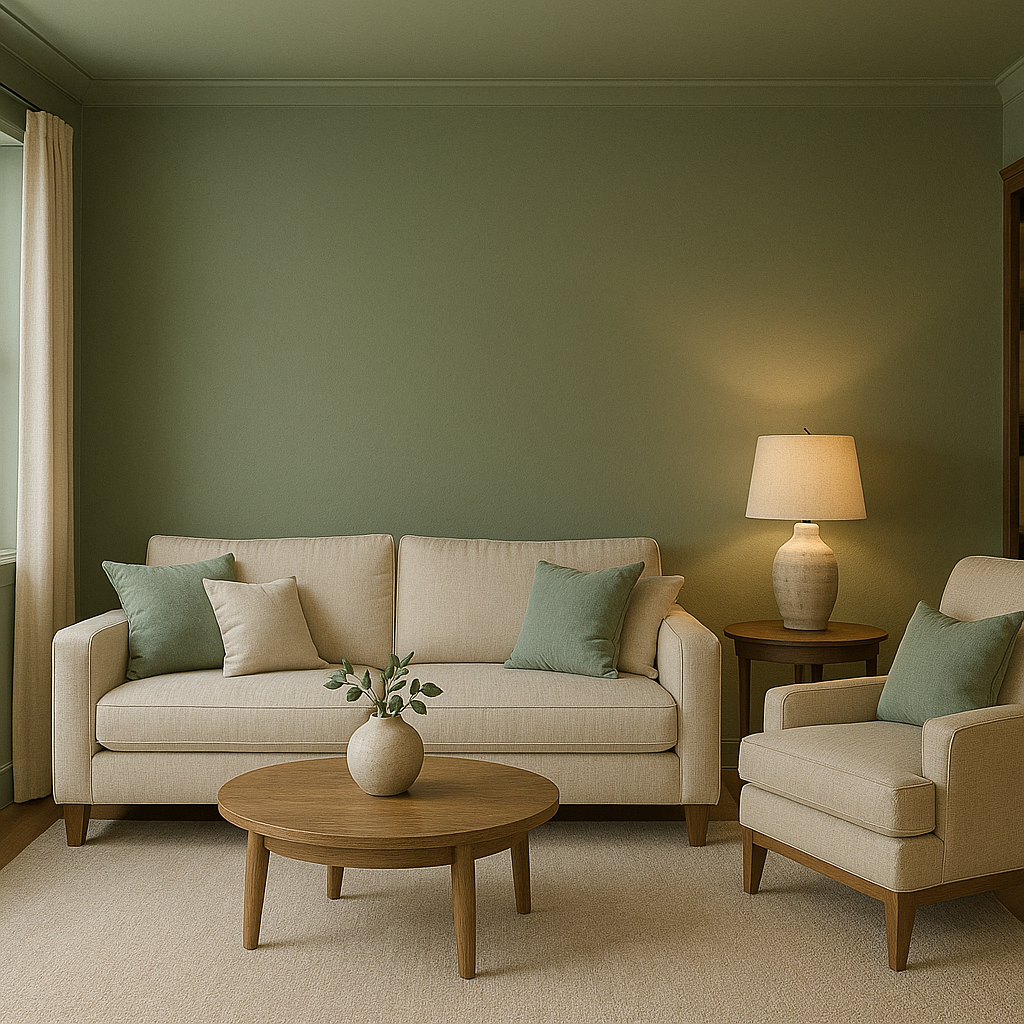
Same-Color Walls and Ceilings (the “Full Wrap”)
This design trend has exploded in recent years. Painting the walls, ceiling—even trim—one color creates a seamless, modern, and elevated feel, especially with deeper tones.
Why homeowners love it:
Makes a room feel taller and more luxurious
Eliminates visual contrast for a calm, cohesive look
Works exceptionally well with moody colors like navy, charcoal, or deep green
Best rooms for it: Bedrooms, home offices, media rooms, or any space where you want drama or coziness.
Accent Walls
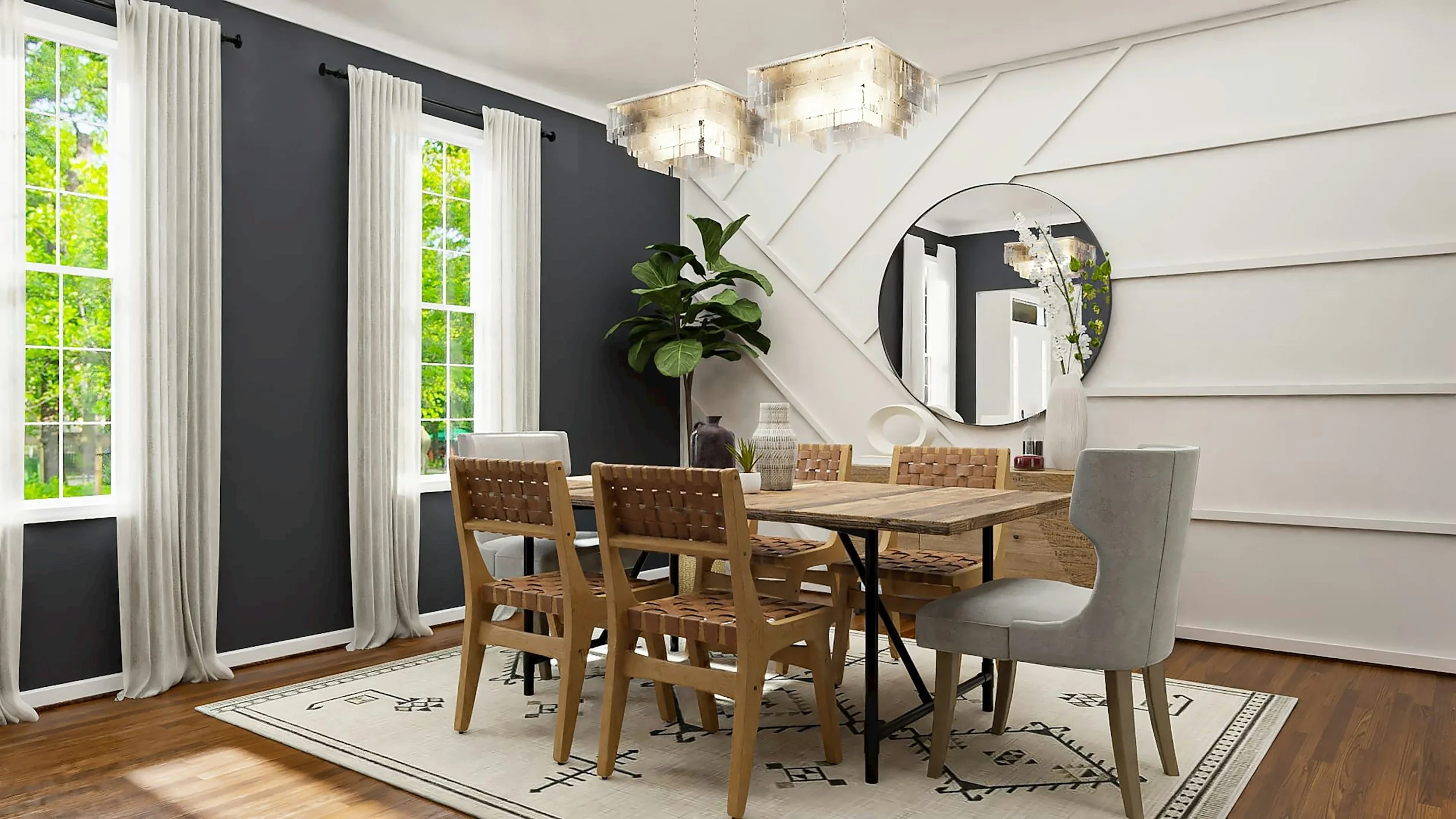
Accent walls highlight one area of a room using a bold color, eye-catching pattern, unique texture, or specialty finish. Rather than painting an entire room in a dramatic shade, homeowners can create a striking feature by choosing a single wall to become the visual centerpiece. Accent walls can be created with paint, wallpaper, wood slats, geometric designs, limewash, color blocking, or even textured materials like Venetian plaster.
Why homeowners love it:
Adds personality without overwhelming a space: It’s an easy way to incorporate color or creativity while keeping the rest of the room neutral and balanced.
Creates natural focal points: Perfect behind a bed, sofa, fireplace, dining table, or entryway—an accent wall immediately draws the eye and defines the room’s layout.
Works in any style of home: From modern and minimalist to farmhouse, industrial, or traditional, an accent wall can be tailored to fit any aesthetic.
Offers endless design options: Dramatic colors, soft pastels, murals, organic textures, metallic finishes, or bold geometric shapes—homeowners can get as creative as they want.
Can help reshape how a room feels:
Darker accents add depth and coziness
Lighter accents brighten compact areas
Vertical or horizontal patterns can visually change room proportions
Budget-friendly impact: A single wall requires less paint and less time, making it an affordable way to transform a space without a full renovation.
Best rooms for it: Living rooms, bedrooms, dining rooms, entryways, nurseries, offices, or any space where you want a touch of drama or definition.
Two-Tone Walls
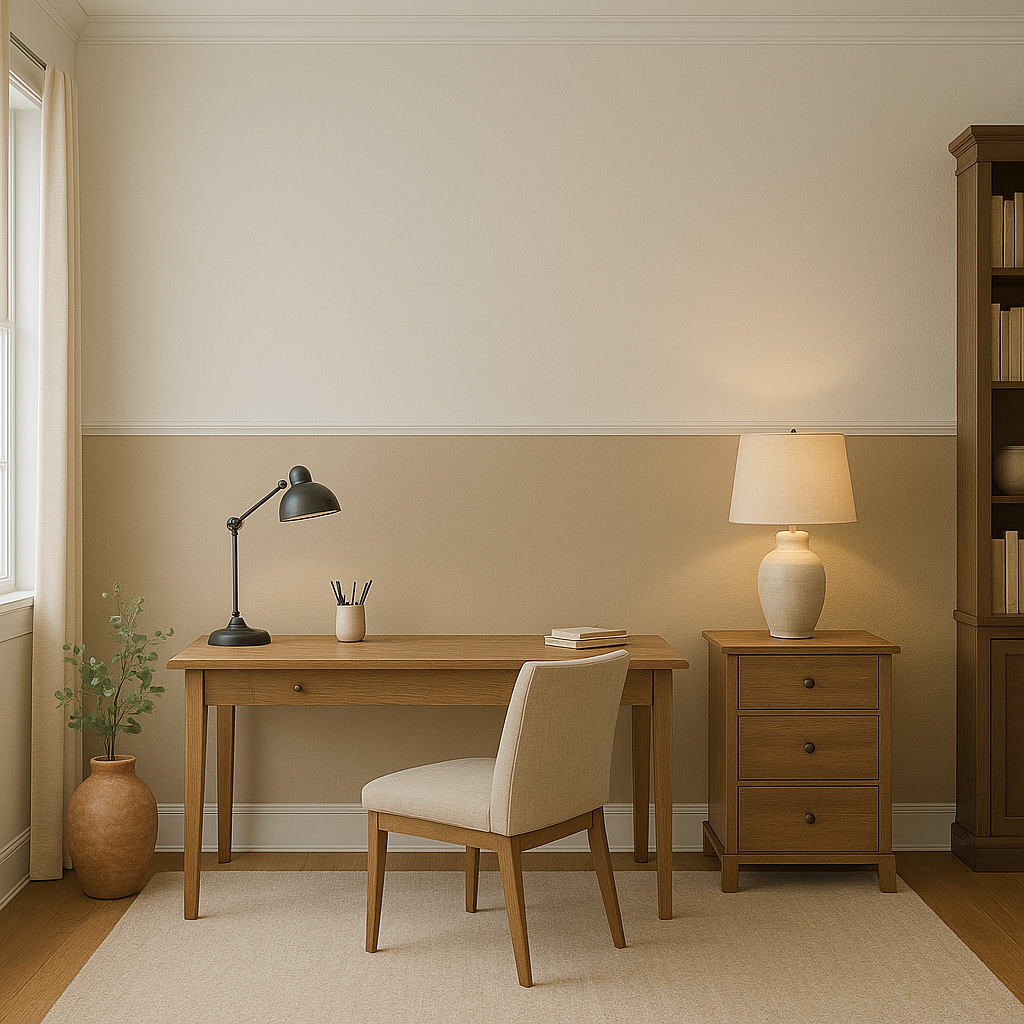
This painting style separates the wall into two complementary colors—usually a darker shade on the bottom and a lighter one on top. The division can be created using a crisp horizontal line, traditional chair rail molding, or modern color blocking for a more graphic look. It brings character, balance, and architectural interest to rooms that might otherwise feel flat.
Why homeowners love it:
Adds visual structure and height: The darker lower half grounds the room while the lighter upper half lifts the eye upward, making ceilings feel taller and creating a more open atmosphere.
Creates natural separation in open floor plans: Two-tone walls help subtly distinguish areas like dining spaces, work spaces, or seating zones without needing physical walls.
Enhances architectural features: Chair rails, wall paneling, built-ins, and wainscoting look more intentional and pronounced with a contrasting color scheme.
Flexible for any style: Works beautifully in modern homes with clean, sharp lines or in traditional spaces where classic millwork is featured.
Great for adding personality without overwhelming a room: Homeowners can introduce rich or bold colors below while keeping things airy above, maintaining balance.
Practical for busy households: Darker lower walls help conceal scuffs and daily wear—ideal for entryways, kids’ rooms, and high-traffic areas.
Best rooms for it: Dining rooms, hallways, offices, kids’ bedrooms, and any space where you want an elevated yet easy-to-live-with design.

