
Types of Plumbing Pipes: What Homeowners Need to Know
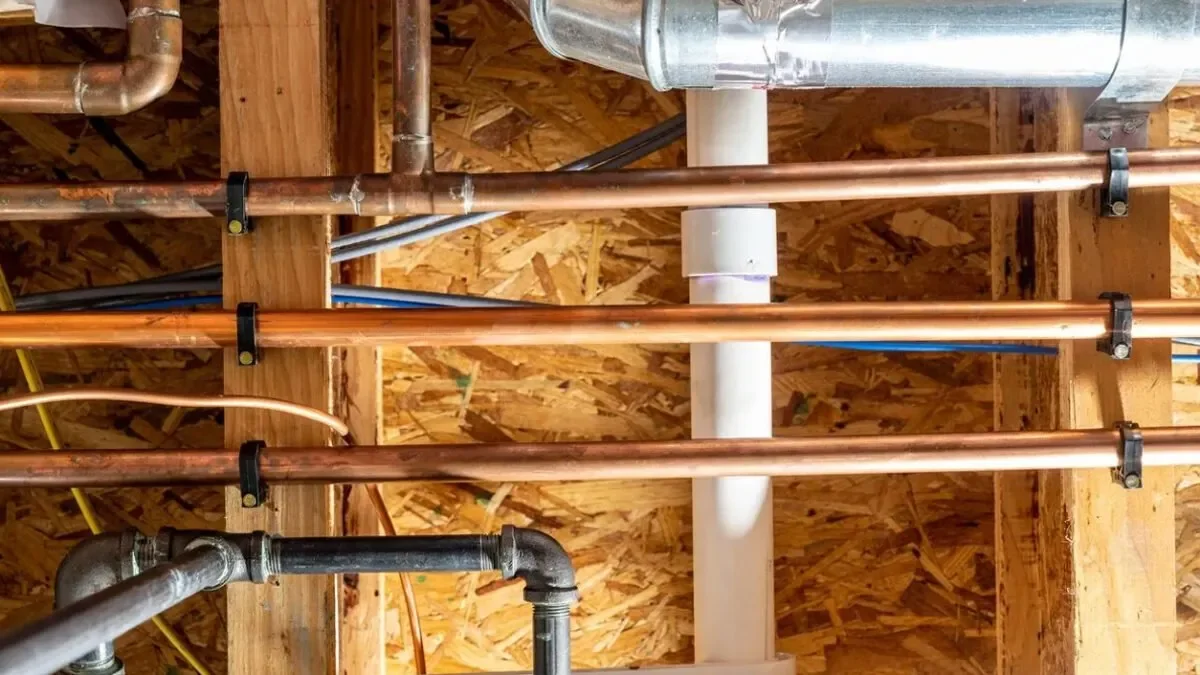
When it comes to plumbing, most homeowners don’t give much thought to the pipes hidden behind walls and under floors—until something goes wrong. But understanding the different types of plumbing pipes can make a big difference when it comes to repairs, renovations, or even choosing the right materials for a new home. From traditional copper to flexible PEX, each type of pipe has its own strengths, weaknesses, and ideal applications.
In this post, we’ll break down the most common plumbing pipes, helping you make informed decisions and better understand the hidden framework that keeps your home running smoothly.
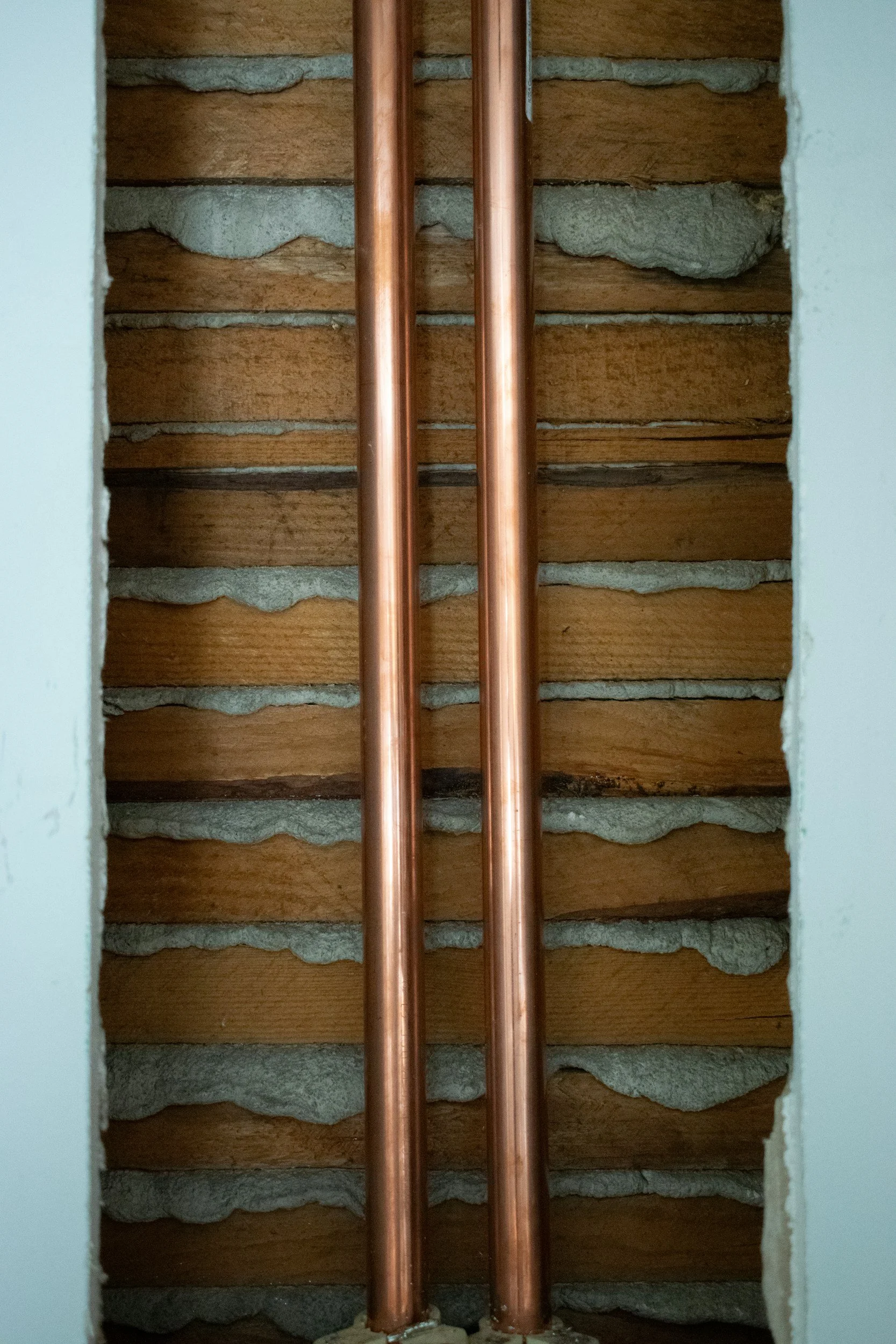
Copper Pipes
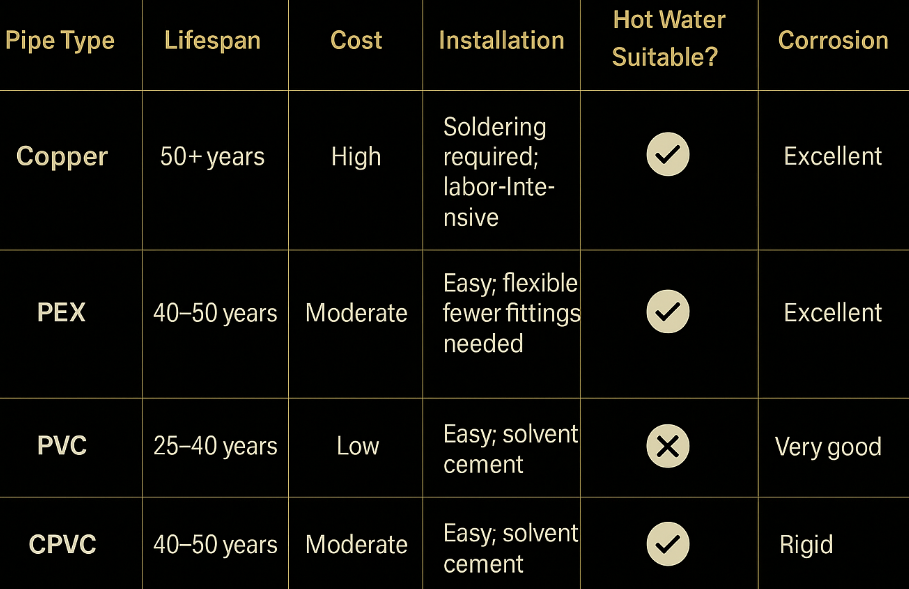
Copper pipes have been a trusted choice in homes for decades due to their exceptional durability and reliability. They can last 50 years or more, handle hot water with ease, and naturally resist corrosion and bacteria, making them a safe and long-lasting option.
Copper can be installed both indoors and outdoors, which adds to its versatility. However, it is generally the most expensive piping option, and installation requires soldering, which can increase labor costs. Additionally, copper pipes are more prone to bursting in freezing temperatures. Overall, copper is ideal for homeowners looking for long-term reliability, exposed piping, or upgrading high-end or older homes.
Pros:
Extremely durable; can last 50+ years
Handles hot water very well
Naturally resists corrosion and bacteria
Can be used indoors or outdoors
Adds value to a home
Cons:
Usually the most expensive option
Installation requires soldering, which increases labor costs
Can burst in freezing temperatures if not insulated

PEX Pipes
PEX is a flexible plastic piping system that has revolutionized modern plumbing. Its flexibility allows it to bend around corners with fewer fittings, reducing potential leak points and labor costs. PEX is highly resistant to corrosion, scale, and chemical damage, and its slight expandability helps it resist bursting in freezing conditions. Installation is quicker and easier than rigid pipes, often using simple push-fit or crimp connections.
PEX can be used for both hot and cold water, and some varieties are rated for radiant floor heating. However, it should not be exposed to direct sunlight for extended periods, as UV light can degrade the material. It’s also less suitable for outdoor or above-ground use where mechanical damage could occur. PEX is excellent for remodeling projects, retrofits, and cost-conscious homeowners who want reliable, durable plumbing with minimal disruption.
Pros:
Flexible and easy to install, reduces labor and fittings
Resistant to corrosion, scale, and chemical damage
Can expand slightly to resist bursting in freezing conditions
Suitable for both hot and cold water
Often less expensive than copper
Cons:
Cannot be exposed to direct sunlight (UV damage)
Not ideal for outdoor or above-ground applications where mechanical damage is possible
Fittings require specialized tools or connectors
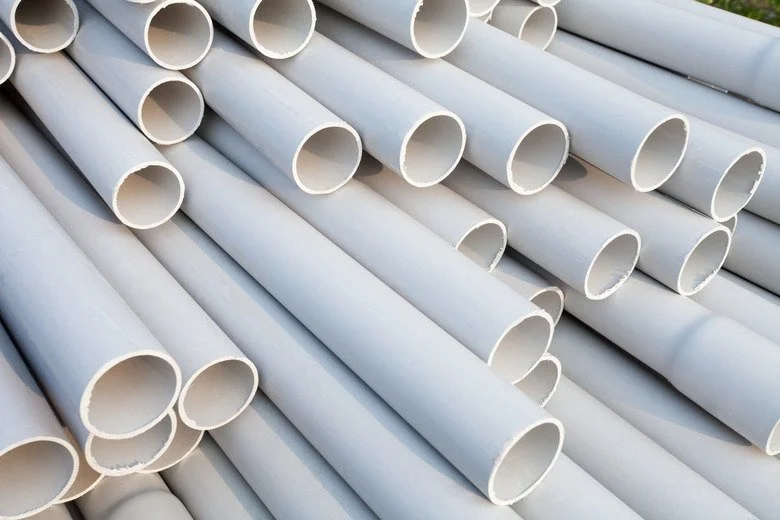
PVC Pipes
PVC is a rigid plastic pipe commonly used in drainage, waste, and vent systems. Its lightweight design makes it easy to handle and cut, while solvent-cement connections allow quick, reliable joining.
PVC resists corrosion and chemical damage, making it low-maintenance and long-lasting for many residential plumbing applications. However, PVC should not be used for hot water systems, as heat can weaken or warp the material. It’s ideal for cold water lines, sewer lines, and venting systems. PVC is also very budget-friendly, which makes it a common choice for new builds and DIY plumbing projects. Its durability, affordability, and ease of installation make it a practical, low-maintenance option for standard residential plumbing systems.
Pros:
Lightweight and easy to cut/join
Very affordable
Resistant to corrosion and chemical damage
Ideal for cold water, drain, waste, and vent applications
Easy for DIY projects
Cons:
Cannot be used for hot water (may warp or degrade)
Less durable under high pressure or impact
Limited outdoor or exposed applications
Not as long-lasting as copper or CPVC
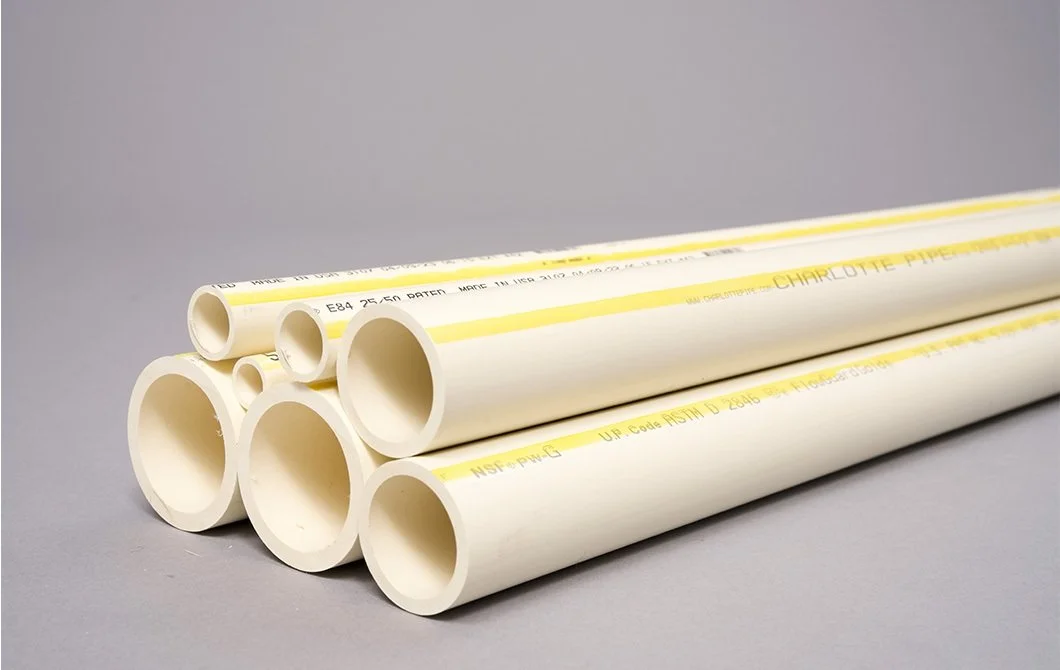
CPVC Pipes
CPVC is an upgraded version of PVC designed to withstand higher temperatures, making it suitable for hot water applications. Like PVC, it is lightweight, corrosion-resistant, and joined using solvent cement, which is easier than soldering copper.
CPVC can handle both hot and cold water, making it a versatile choice for homes with modern water systems. While more expensive than standard PVC, it is generally cheaper than copper and provides a long-lasting solution for water distribution. One drawback is that CPVC can become brittle over time, especially in areas with high UV exposure or fluctuating temperatures, so proper installation and protection are important. CPVC is best for homeowners seeking a reliable plastic alternative to copper, particularly for hot water lines, renovations, and residential systems that balance cost with durability.
Pros:
Can handle both hot and cold water
Lightweight and easier to install than copper
Resistant to corrosion and chemical damage
Joined with solvent cement—no soldering required
More affordable than copper
Cons:
More expensive than standard PVC
Can become brittle over time, especially with UV exposure
Solvent cement installation requires care to avoid leaks
Limited outdoor or extreme-temperature applications
If you’re planning a renovation, upgrading an older home, or simply want the peace of mind that your plumbing system is built to last, the right piping makes all the difference. At Centerline Construction, we help homeowners choose the best materials for their needs and ensure every installation is done with precision, safety, and long-term reliability in mind.
Ready to upgrade your home’s plumbing the right way? Contact Centerline Construction today and let our team bring quality, clarity, and craftsmanship to your next project.
